

In a city once marked by fragmentation, isolation, and entrenched violence, something new is taking root. What began as a seed of unity in the neighborhoods of Philadelphia has grown into one of the most dynamic expressions of Gospel collaboration in the Northeast.
Through the Jesus Week Philly movement and the Saturation to Transformation strategy, hundreds of churches are coming together to adopt zip codes, transform neighborhoods, and reclaim the streets for the Kingdom.
A Movement That Would Not Retreat
The groundwork began in early 2020, just as the pandemic swept the globe. While the world was shutting down, a group of leaders in Philadelphia chose to step forward. With courage and conviction, they launched Saturation Philly. At the heart of this charge was Pastor Luis Centeno, a seasoned missionary and beloved figure in Philadelphia’s urban church landscape.
As others hesitated, Pastor Luis and his team adopted entire zip codes, delivered Gospel resources, and engaged with communities that were suffering deeply from the effects of poverty, addiction, and spiritual despair. Despite the risks, the work pressed forward.
“We realized we’re not in competition anymore,” Pastor Luis said. “It’s not about one group doing one thing. It’s about the body of Christ advancing God’s Kingdom together.”
The Jesus Week Philly Explosion
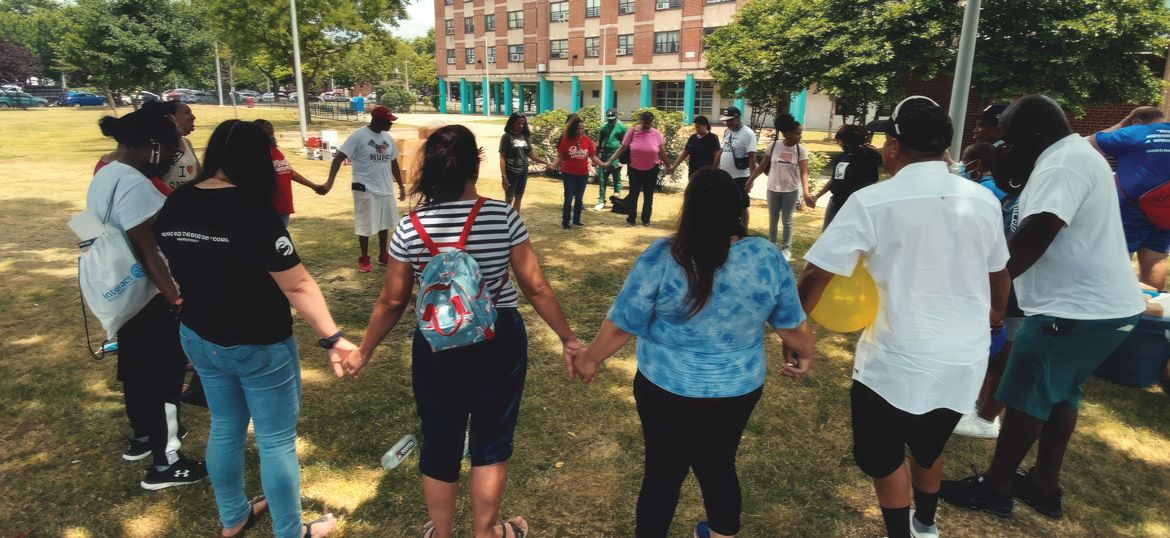
That first year, 35 outreaches filled the city with prayer, worship, and acts of compassion. By the second year, the number more than tripled to 110. In the third year, it exploded again—more than 200 registered outreaches took place in one week, with dozens more happening organically throughout the year.
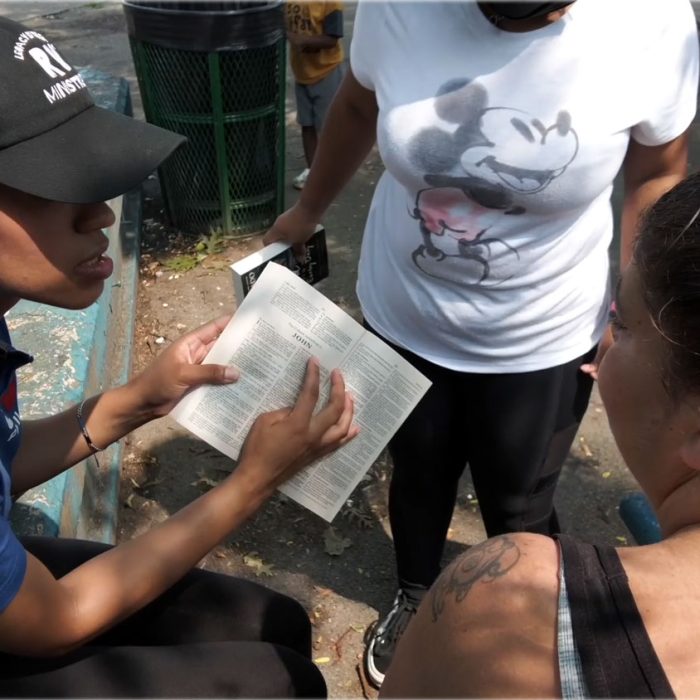
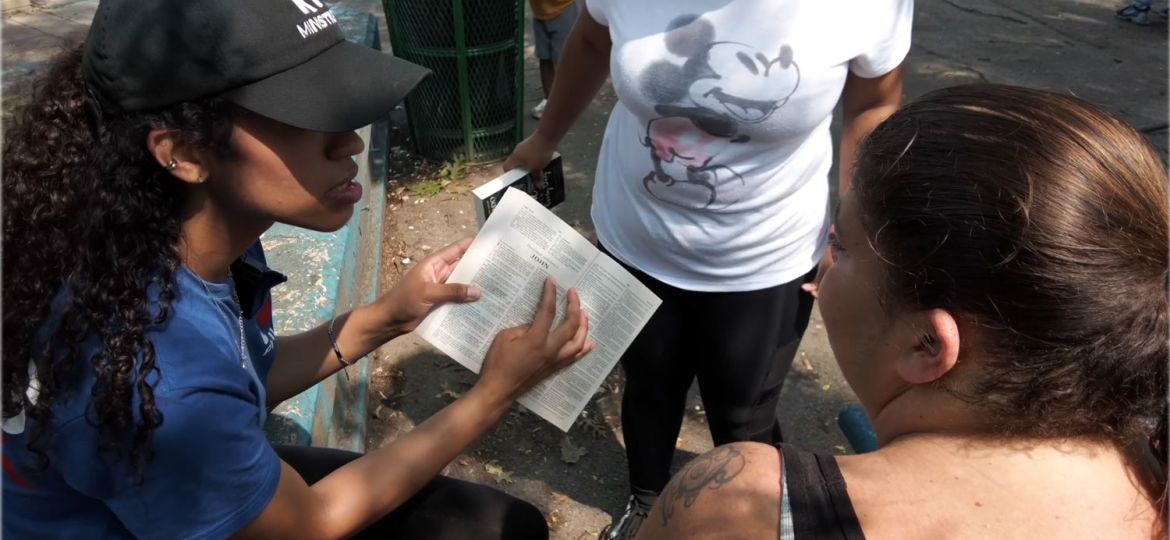
Each outreach was unique. Some were block parties, others featured street theater or hip-hop evangelism. Volunteers handed out goodie bags, ran children’s carnivals, set up prayer stations, or simply walked the streets offering to pray for neighbors. In the zip code 19143, nineteen churches united for the first time ever in one coordinated movement.
Pastor Jeanette Cooke summed it up with one powerful declaration: “We are not just reaching our block. We are taking back our community.”
Taking the Streets Back from Violence
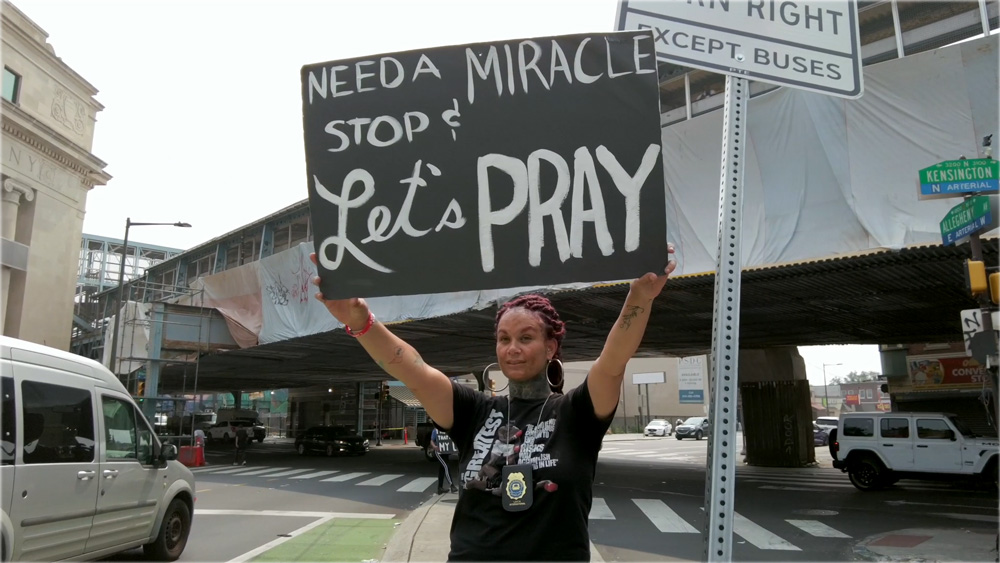
The movement’s boldness was matched by its urgency. In neighborhoods like Kensington and Southwest Philly, where gun violence and addiction had cast long shadows, churches stepped into the gap. Anti-violence walks, organized by Jesus Week leaders in collaboration with law enforcement, became powerful symbols of resistance and hope.
One march was led by a local pastor standing in the back of a white truck, shouting through a loudspeaker, “There’s so much anger, fear, and hatred. We must reach our young people and face this together.” Residents came out of their homes, raising hands and cheering. Some wept. Others joined the procession. It was a moment that shifted the spiritual atmosphere.
A Model for the Nation
The movement has now reached 72 percent zip code adoption in the city. Thousands of volunteers have participated. New coalitions continue to form. One city workshop recently broke the Jesus Week record with 500 registered leadersfrom across Philadelphia.
From the warehouse in Camden, where resources are sorted and shipped, to the corner of 58th and Baltimore where kids line up for ice cream and hear the Gospel, the movement is real, measurable, and multiplying.
What makes Philadelphia’s story so important is not just its size or growth. It is the structure. The team-building. The zip code adoption model. The emphasis on equipping local churches rather than replacing them. As Pastor Luis said, “This is not about one church or one leader. It’s about the whole body working together.”
From Local to Scalable
As documented in the MissionWake strategy, Philadelphia is now a prototype for other cities. It offers a working example of how churches can collaborate, measure impact, build neighborhood coalitions, and use simple resources to mobilize entire communities.
The success is not due to one personality. It is the fruit of a unified Church, committed to the streets, submitted to the Gospel, and mobilized for long-term transformation.
And the message is clear.
This does not belong to Philadelphia alone.
This model can belong to any city, any church, any neighborhood willing to build the wall together.
Your Turn
If you are reading this and wondering what is possible where you live, consider this your invitation. Find one other pastor. Gather your neighbors. Adopt your zip code.
The strategy is clear. The materials are available. The need is urgent.
And the movement has already begun.