

Isaac Hernandez sits down with filmmaker Lauren Havel to talk about starting young, creating without resources, and what happens when you move before everything is in place.
By Isaac Hernandez
Most filmmakers spend years trying to make their first film. They wait for funding, for connections, for someone to open a door. Some of them never get there.
Lauren Havel didn’t wait. She made her first film at 13, and it reached millions.
That’s not the part that surprised me most. It’s how she kept going after that.
When we started talking, it became clear pretty quickly that she never built her process around ideal conditions. She built it around movement. She got introduced to filmmaking through a film camp, started making small projects with friends, and somewhere in that process realized what she was doing could actually matter.
“We poured our heart and soul into it,” she said, talking about her first short film. “And to our complete shock, that short film went viral. It got millions of views, and we were blown away, not expecting anything like that.”
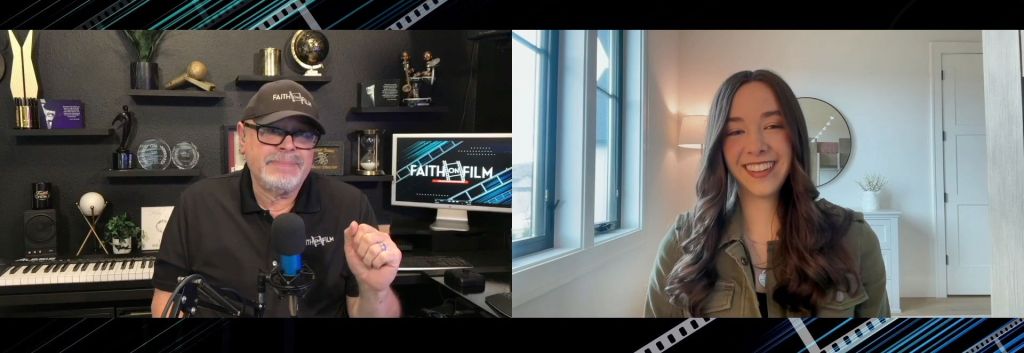
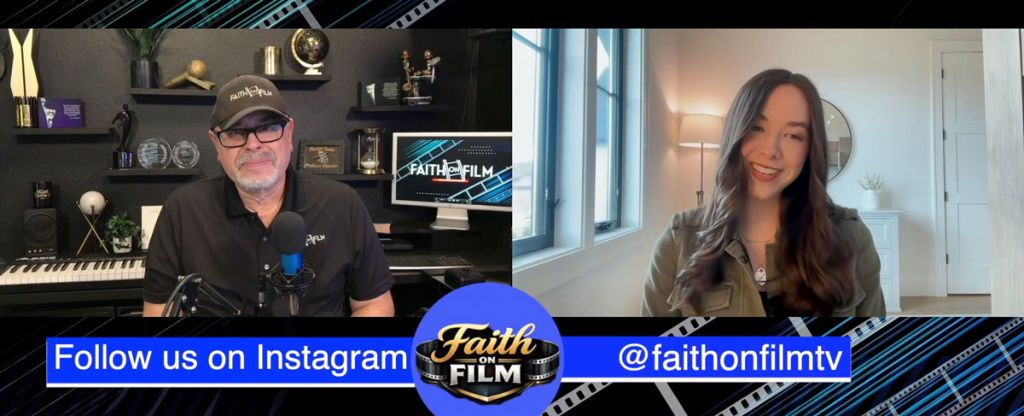
Isaac Hernandez during his interview with Lauren Havel on Faith on Film
She Never Waited for the Conditions
That’s usually where people start looking for the next level. Better funding, larger teams, more structure. The assumption is that if something works, the next step is to build a system around it.
She didn’t do that.
“I was a very big dreamer,” she said. “I came to my mom and said, I want to do a feature film. I want to do something crazy.”
And then she moved forward without waiting for everything to come together first.
“We didn’t have any investors. It was really just me, my mom, and my dad. All of our actors and everything were volunteers, so it was very grassroots, very indie.”
I’ve seen how often people stop right there. That exact moment. They have the idea, they have the desire, but they don’t have the resources yet, so they pause. They wait for things to line up.
In her case, the lack of resources never became the stopping point. It was just part of the process.
And somehow, the work still reached people.
What Her Work Actually Points To
That’s what makes this more than just a story about one filmmaker. Because what she’s doing isn’t built on access. It’s built on a different starting point altogether.
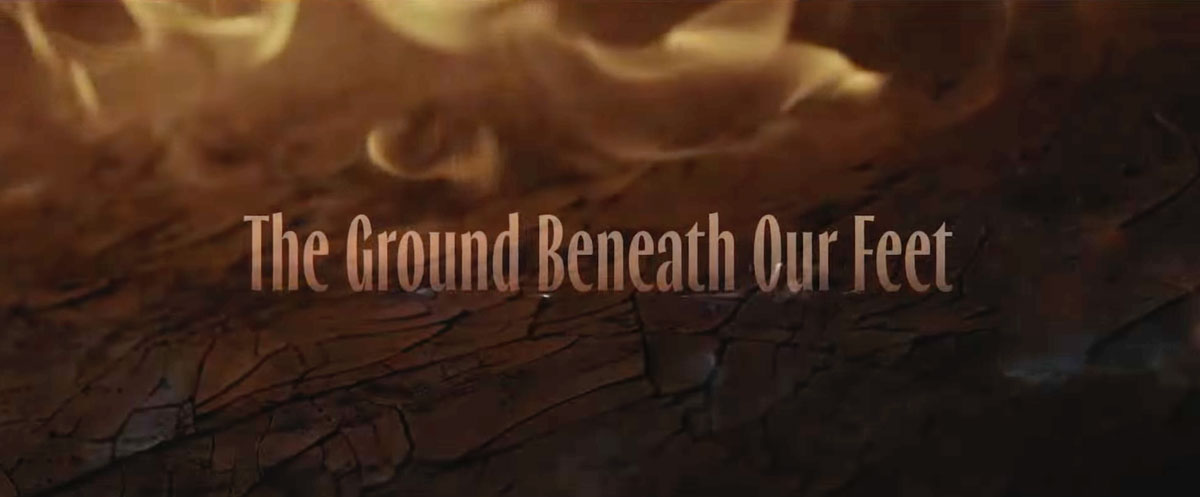
Her latest film, The Ground Beneath Our Feet, reflects that same perspective, but on a much broader scale. It follows a family across generations, moving from the 1950s to today, but what she’s really exploring is what changes when certain foundations aren’t carried forward.
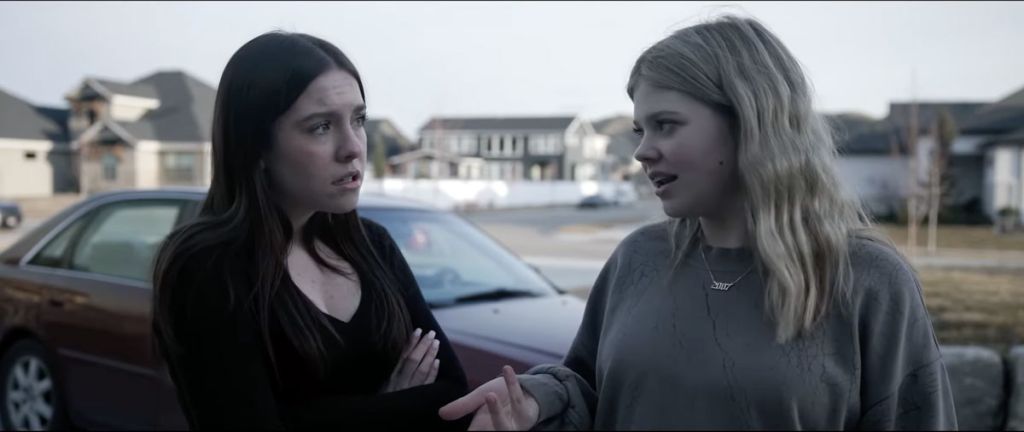
“It shows what happens to a nation when we focus less and less on faith and family and morality,” she explained. “And what could happen if we go back to those things.”
The way she described it, the film isn’t just looking back. It’s creating a contrast between two ways of living and letting the difference speak for itself. A diary connects those generations, giving someone in the present a glimpse into something they’ve never experienced.
“It’s a way to share the gospel with someone who wouldn’t have ever picked up a Bible or gone to church in the first place.”
That approach says a lot about how she sees storytelling. It’s not just about creating something compelling. It’s about reaching people who might not be reached any other way.
And that carries into how she thinks about what comes next.
“I’ve never really known what’s next,” she said. “It’s just trusting the Lord, stepping out in faith, kind of like Abraham, not knowing where he’s going, but going anyway.”
There’s something honest about that. It’s not built on a clear roadmap or a long-term plan. It’s built on movement without full visibility.
At one point I asked her what she would say to someone younger, maybe sitting where she was just a few years ago. Her answer stayed simple.
“Everyone has a calling. Everyone has a gift that the Lord has given them. And if you feel called into something creative, just go for it.”
No conditions. No prerequisites. No waiting for the right moment.
And sitting there listening to her, what stood out wasn’t just that she started young or that her films reached millions. It was how quickly she moved past the idea that everything had to be in place before she began.
A lot of people are still waiting for that moment.
And the longer they wait, the easier it becomes to believe it hasn’t come yet.
About the Author
Isaac Hernandez is a contributor to MissionWake News and host of Faith on Film, where he interviews filmmakers and storytellers shaping faith-based media.
You can watch Faith on Film and explore more interviews at: https://www.faithonfilmtv.com/





 By Mick Richards