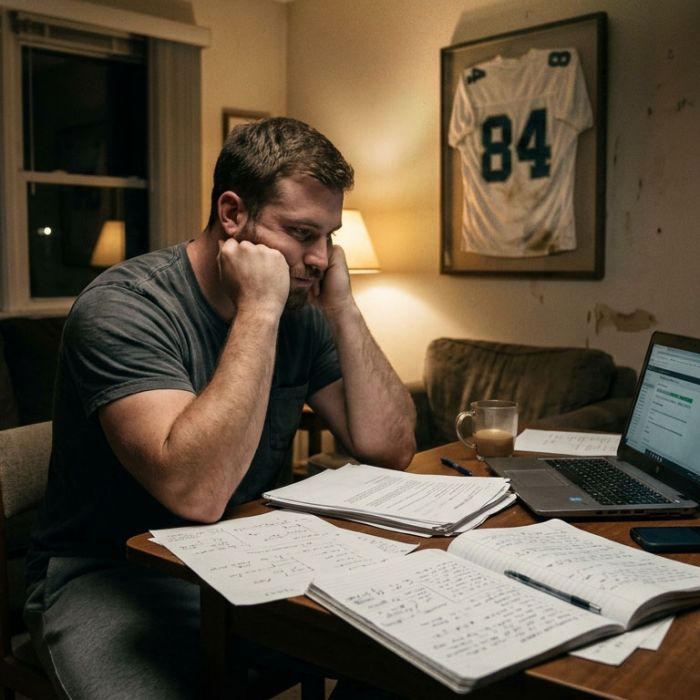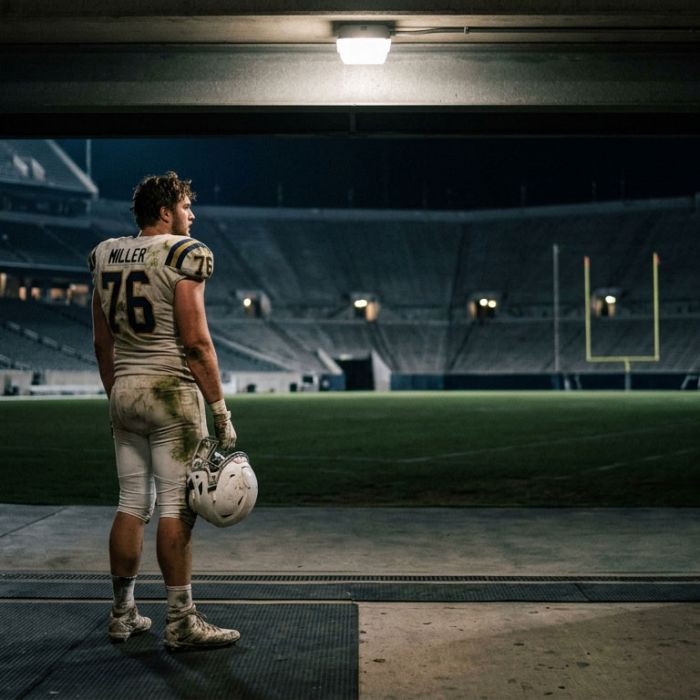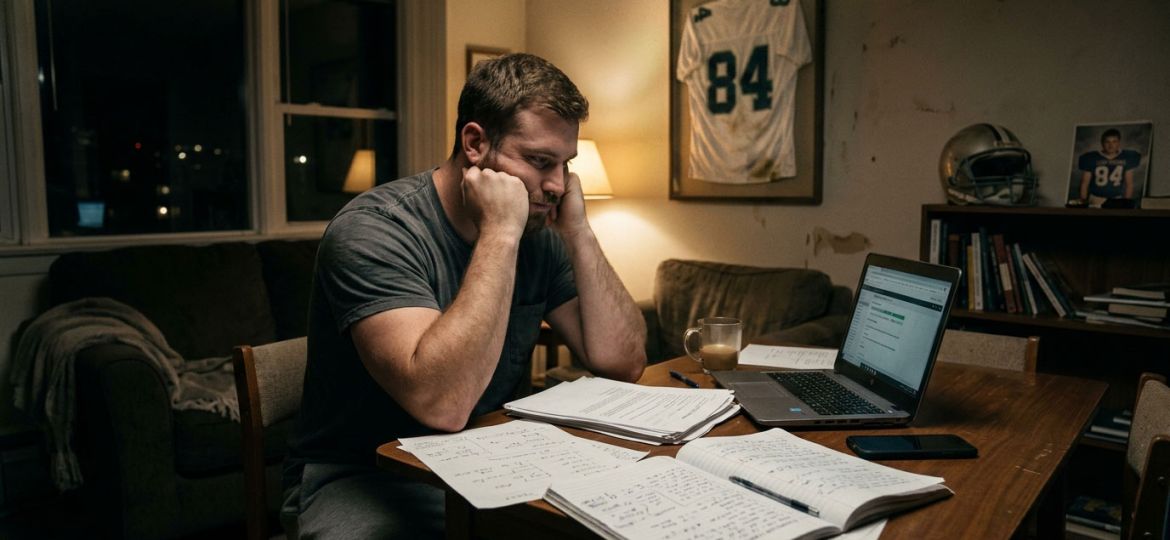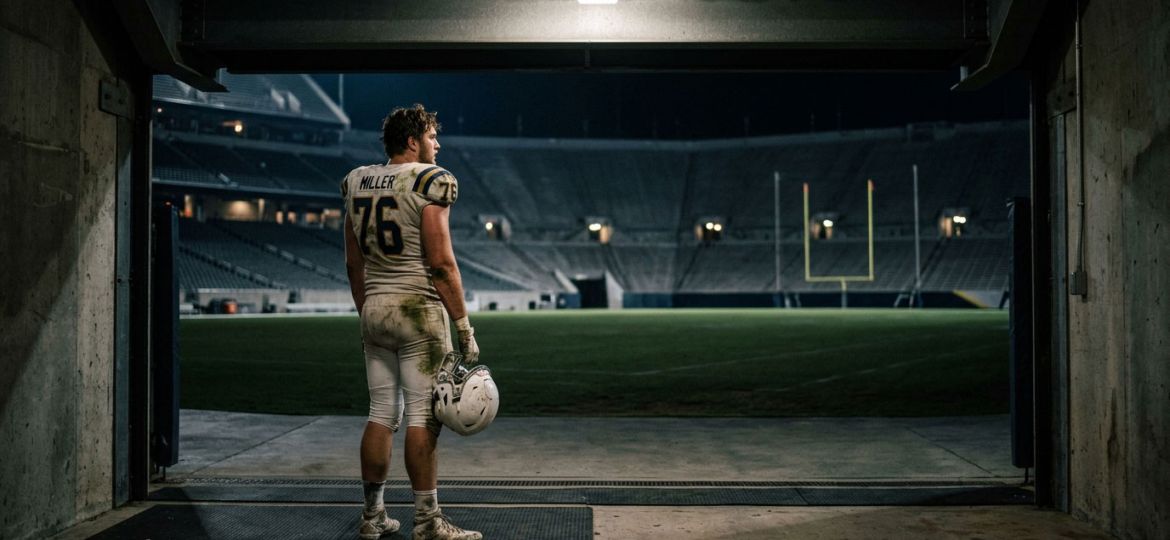


Rev. Dr. Michel Faulkner reflects on why the most important formation in life doesn’t happen in public, but in the places where nothing can be hidden.
By Rev. Dr. Michel Faulkner
Most people assume character is built in the big moments, when everything is on the line and the outcome is visible to everyone watching. They look at performance under pressure and believe that is where a person is defined. What often goes unnoticed is that those moments usually reveal something that has already been formed long before anyone was paying attention.
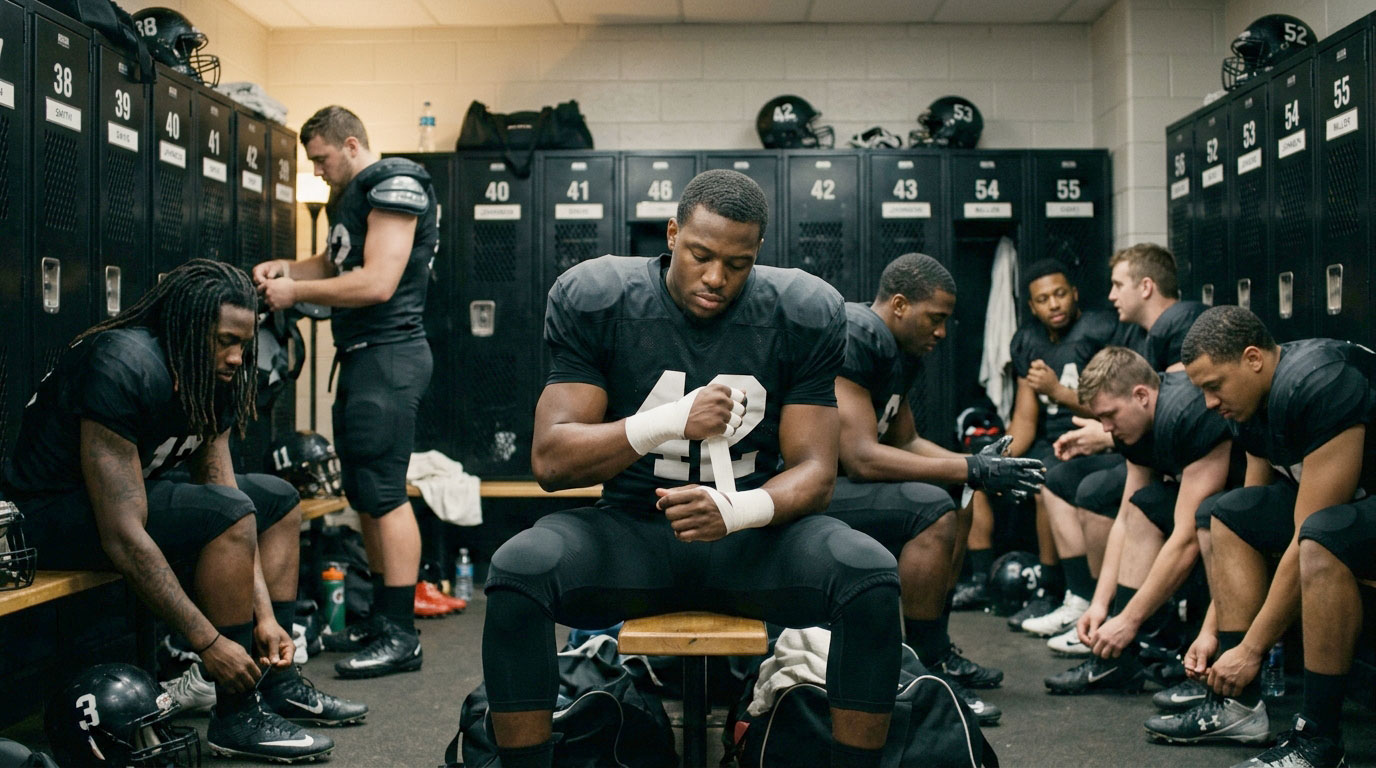
Character is developed in quieter places, in environments where there is no spotlight and no easy way to hide what is really going on beneath the surface. That is why the locker room matters more than most people realize.
When I sat down with Rev. Lee Rouson, we began talking about what actually happens inside a team beyond what people see on the field. He explained that the locker room is where character takes shape because that is where trust is either built or broken over time. When players step onto the field, they are relying on one another in ways that demand consistency, and that kind of trust does not develop in front of a crowd. It is formed in the everyday interactions that happen before the game ever begins.
You Can’t Hide in the Locker Room
What makes the locker room different is that it exposes everything. When someone misses an assignment or is not prepared, it becomes clear quickly, and the people around them are not going to ignore it. Attitude, discipline, and focus are all visible in that environment, and over time, those patterns define how others respond to you.
Lee described it as a place where teammates work through issues that would affect the entire group, not in public, but in a setting where honesty matters more than appearance. Those conversations are not always comfortable, but they are necessary if the team is going to function as one unit. That process is what builds real unity, not what happens during the game itself.
The Locker Room and the Kitchen Table
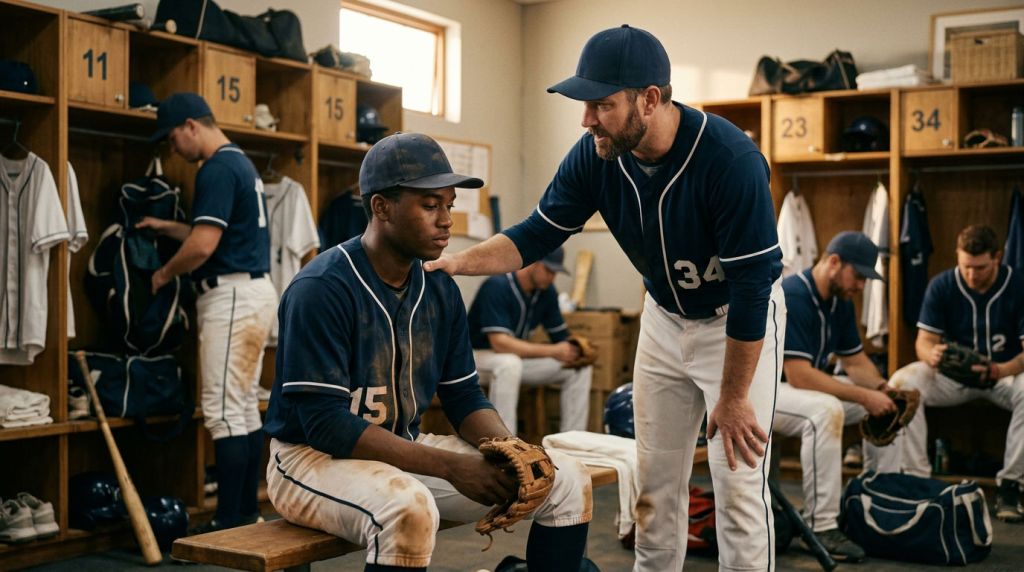
The closest comparison most people can understand is the family. The locker room functions much like the kitchen table, where issues are addressed, expectations are set, and accountability becomes part of the culture. In both places, people are shaped by what is allowed, what is corrected, and how leadership is exercised.
If something is off, it shows up in those environments. If there is tension, it does not stay hidden for long. And if there is no leadership guiding those moments, the breakdown is not immediate, but it is inevitable. The same dynamics that affect a team will affect a family, because both are built on trust, communication, and shared responsibility.
The Moment That Reveals You
Lee shared a moment from his rookie year with the New York Giants that brings this into focus. It was the final preseason game, and decisions were being made about who would remain on the team. In that environment, every action carried weight, and players were doing whatever they could to secure their place.
He found himself in a situation where he was told to fake an injury. He understood what was at stake and what that decision could mean for his future, and at the same time, he was aware that everyone around him was paying attention to how he would respond.
He told me that when a teammate spoke up in the locker room, the room became quiet because people were watching to see what choice he would make. That moment was not about performance on the field. It was about character being tested in real time, in a place where the consequences were immediate and personal.
Leadership Shapes the Environment
Situations like that make it clear how important leadership is in those spaces. Coaches can establish expectations, but they are not present for every interaction. The tone of the locker room is often shaped by the players themselves, especially those who understand what is at stake.
Some leaders are vocal and direct, while others lead through consistency and presence, but either way, they influence how the team responds under pressure. I have seen teams where strong leadership created unity and resilience, and others where the absence of it led to division, even when the talent level was high.
That same principle carries into the home. The way parents handle conflict, the way expectations are communicated, and the way consistency is maintained all contribute to the environment that shapes the next generation. Children notice more than we think, and they respond to what they experience, not just what they are told.
What Is Shaping You
When you step back and look at it from that perspective, it becomes clear that every environment has a shaping influence. It happens in the locker room, at the kitchen table, and in any space where people interact without the pressure of being observed by the outside world.
Those environments reveal patterns over time, and those patterns begin to define how a person thinks, responds, and carries themselves. The question is not whether that shaping is taking place, because it is happening continuously.
The real question is what it is producing in the end.

——————–
About the Author
Rev. Dr. Michel Faulkner is a contributor to MissionWake News and co-host of Football, Family, and Faith, where conversations explore the intersection of sports, leadership, and faith.
Listen to the podcast and learn more:
https://www.goalpostsandbeyond.com