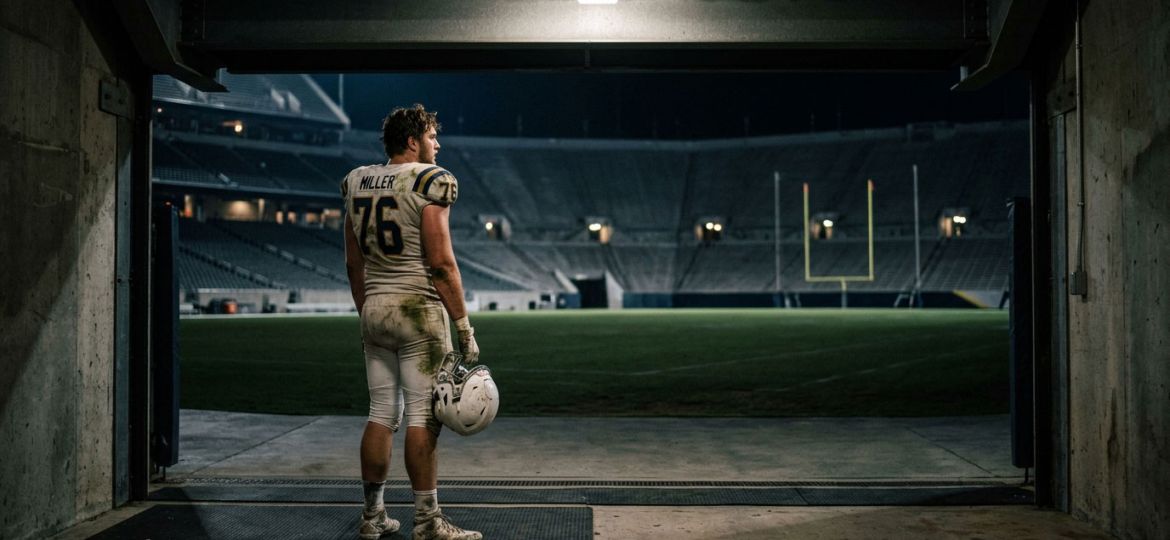



Rev. Dr. Michel Faulkner reflects on why influence is not optional, and what it means to choose what kind of example you become.
By Rev. Dr. Michel Faulkner
For years, people have debated whether athletes should be role models, and the conversation usually goes in the same direction. Some say yes, others say no, and it often circles back to a statement Charles Barkley made years ago when he said he was not a role model. A lot of people agreed with him then, and many still do now.
But that question assumes something that isn’t actually true. Being a role model is not something you step into when you feel ready. It’s something you already are. The real issue is not whether someone should be a role model. It’s whether they understand that they are already influencing people and what they are choosing to show.
When I sat down with Rev. Lee Rouson, that’s where the conversation went. Not into theory, but into what we’ve both seen over time. He said it in a way that reframes the whole discussion. He told me that everybody is a role model, and that anytime someone is being watched, something is being modeled in front of them. That changes how you look at this completely.
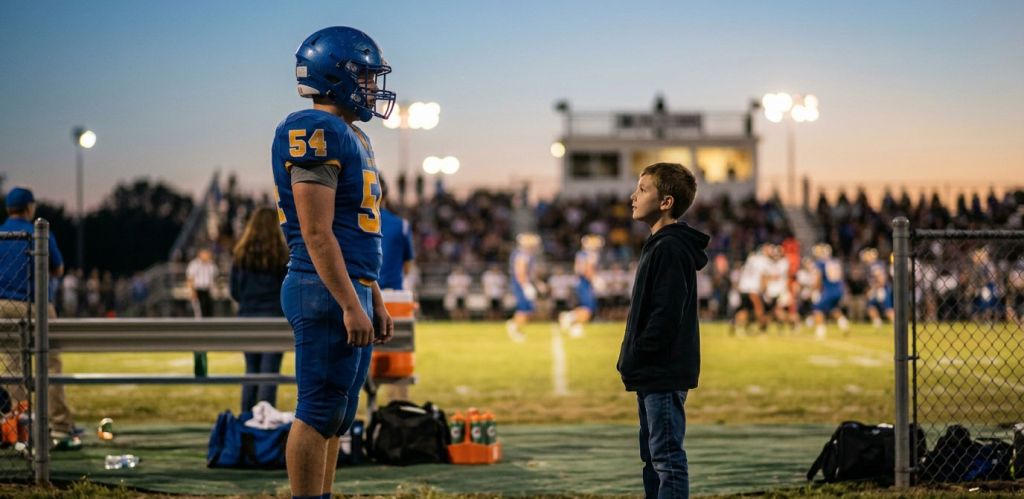
You Don’t Choose Influence, You Choose Direction
Lee talked about how that realization took shape in his own life. It wasn’t something he started with. It was something he came to understand as he grew. He told me that his greatest passion became choosing to be a positive role model, and that it was something he recognized as a decision, not a title.
That distinction matters more than people realize, because most assume influence comes later, after success, after recognition, after a platform is established. What we’ve seen is that influence shows up long before any of that happens. It shows up in everyday spaces, in how people respond to pressure, in how they treat others, and in how they carry themselves when no one is paying attention.
I’ve seen that personally. There were moments early in my career when I was not in a position anyone would consider significant. I was an undrafted rookie, on injured reserve, and at the bottom of the roster. Yet I was still being asked to show up, to speak, and to represent something in front of others. Not because of status, but because of what people believed I could reflect.
I said yes to those moments because I understood what they meant. I remembered what it felt like when someone ahead of me took the time to speak into my life. Whether they intended to or not, they were shaping how I thought and how I responded. That doesn’t happen in isolation. It carries forward.
Talent Doesn’t Prepare You for Influence
One of the challenges we see today is that talent often develops faster than character. Athletes are given visibility earlier than ever, and with the introduction of name, image, and likeness, that process has accelerated. Young players are now thinking about branding and influence before they’ve fully formed their identity.
That gap creates pressure that not everyone is ready to handle. What makes someone effective on the field does not automatically translate to how they carry themselves off of it. I’ve seen players who had everything physically that you could ask for struggle when the spotlight got bigger, not because they lacked ability, but because they weren’t prepared for what came with it.
Lee spoke directly to that. He pointed out that just because someone is exceptional in one area does not mean they are equipped to be the kind of role model people expect. That expectation is often placed on them without any preparation for how to carry it.
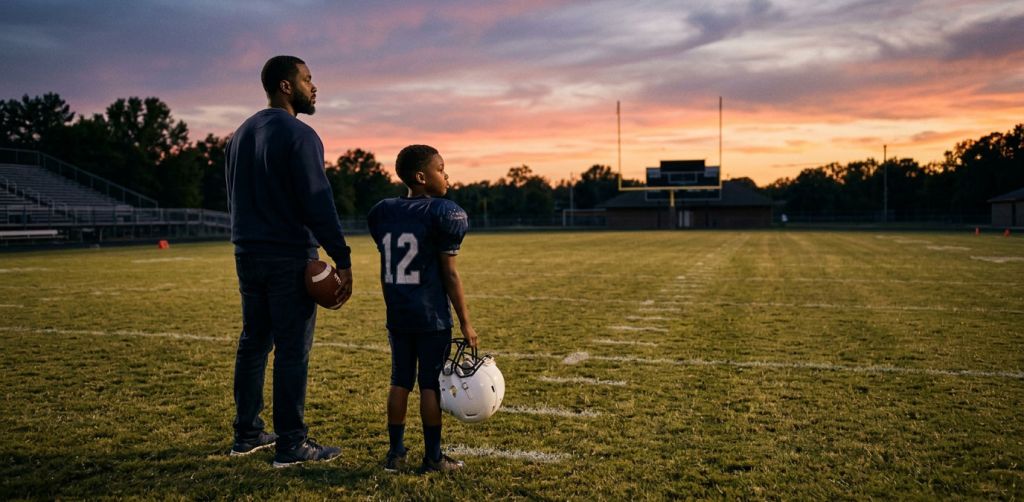
What You Choose to Model Matters
When we talked about the next generation, Lee shared a story about his grandson that stayed with me. His grandson is already receiving major college attention, and at one point he told him that he understood what his brand was. He called it unlimited stamina, which on the surface sounds like something tied to performance, but the way he explained it went deeper.
He said it wasn’t about him. He said it was about the people around him, his family, his support system, and the role each person played in helping him become who he is. That perspective doesn’t come from talent. It comes from being taught that influence is connected to responsibility.
That’s where this conversation lands for me. Whether someone is an athlete or not, the same principle applies. Every person models something through the way they live, the way they respond, and the way they carry themselves in front of others. That influence is already in motion, whether it is intentional or not.
Most people don’t think about it that way. They wait until they feel established before they consider what kind of example they are setting. What we’ve seen, over time, is that the example is already being set long before that moment arrives.
About the Author
Rev. Dr. Michel Faulkner is a contributor to MissionWake News and co-host of Football, Family, and Faith, where conversations explore the intersection of sports, leadership, and faith.
Listen to the podcast and learn more:
https://www.goalpostsandbeyond.com